
 0 Comments

When people search for the pros and cons of starting a business, they’re not looking for motivation quotes. They want clarity.
They want to know: Is this really worth it for me?
I’ve seen many founders—especially in beauty, skincare, and haircare—jump in with passion but no clear picture of the risks. This article is written to give you the full truth, not just the glamorous side.
Let’s break it down.
What Does “Starting a Business” Really Mean?
Starting a business means creating a product or service, finding customers, managing money, handling operations, and taking responsibility for success and failure.
In India, this often includes:
- Registering a business (sole proprietorship, LLP, private limited)
- Managing GST and compliance
- Building trust in a price-sensitive market
- Competing with established brands and influencers
Who This Guide Is For
This guide is especially useful if you are:
- A beauty, skincare, or haircare enthusiast planning to launch a brand
- A salon owner thinking of going independent
- A content creator planning to sell products
- A professional considering leaving a job to start something of your own
Who Should Avoid Starting a Business (For Now)
You should pause if:
- You need guaranteed monthly income
- You dislike uncertainty and decision-making
- You aren’t ready to learn marketing, finance, and customer service
- You expect fast success in 3–6 months
Being honest here saves years of stress.
Pros of Starting a Business
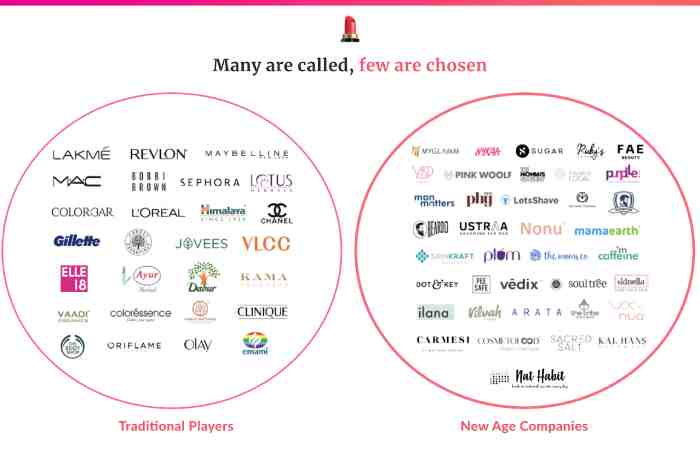
1. You Control Your Own Brand and Vision
Unlike a job, a business lets you:
- Decide what products to sell
- Choose ingredients, pricing, and positioning
- Build a brand aligned with your values (clean beauty, cruelty-free, etc.)
For beauty founders, this creative control is a huge advantage
2. Unlimited Income Potential (Long Term)
A job caps your salary. A business doesn’t.
In India, small D2C beauty brands that survive 3–5 years often:
- Build recurring customers
- Launch new product lines
- Expand to marketplaces and exports
Income is slow initially but scalable later.
3. Flexibility in Time and Location
Once systems are set:
- You can work remotely
- You choose your working hours
- You design your workflow
This is especially attractive for women entrepreneurs and creators.
4. Personal Growth Like Nothing Else
Running a business forces you to learn:
- Sales psychology
- Customer behavior
- Money management
- Decision-making under pressure
I’ve seen people become more confident and skilled in 2 years of business than 10 years of employment.
5. You Build a Real Asset
A successful business becomes:
- A sellable brand
- A source of passive income
- A long-term wealth asset
Many beauty founders later monetize through:
- Brand acquisition
- Licensing
- Influencer collaborations
Cons of Starting a Business

1. Financial Risk Is Real
In the first 12–24 months:
- Income is unstable
- Personal savings may be used
- Profits are often reinvested
According to recent MSME data, a large percentage of small businesses shut down within the first 3 years due to cash flow issues.
2. No Guaranteed Stability
Unlike a salary:
- Sales fluctuate
- Market trends change
- Platforms (Instagram, Amazon) can affect reach overnight
This unpredictability is mentally exhausting for many beginners.
3. Long Working Hours (Initially)
Early-stage founders often:
- Work 10–12 hours daily
- Handle multiple roles alone
- Take fewer breaks than employees
The “freedom” comes later, not on day one.
4. You Are Responsible for Everything
From product quality to customer complaints—you handle it all.
In beauty businesses, one bad review or formulation issue can damage trust quickly.
5. Emotional Stress and Self-Doubt
This is rarely talked about.
Common struggles:
- Fear of failure
- Comparing yourself to successful brands
- Pressure from family or society
Many quit not because the idea was bad—but because mental stress was underestimated.
Pros vs Cons: Quick Comparison Table
| Aspect | Pros | Cons |
| Income | Unlimited potential | Unstable initially |
| Time | Flexible long-term | Long hours early |
| Control | Full ownership | Full responsibility |
| Growth | Skill + wealth | Stress + risk |
| Security | Asset creation | No guarantees |
Common Myths vs Facts
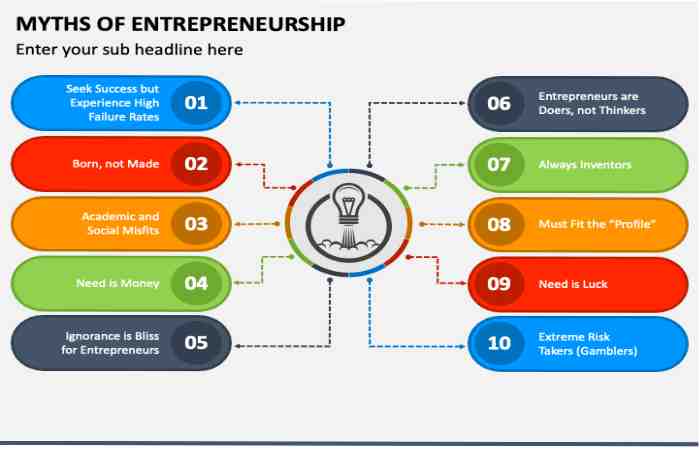
Myth: Passion guarantees success
Fact: Systems, marketing, and execution matter more
Myth: Beauty businesses grow fast
Fact: Trust-building takes years
Myth: Online businesses are easy
Fact: Competition is intense and ads are costly
Common Mistakes New Business Owners Make
Especially in beauty and skincare:
- Launching without market research
- Copying big brands blindly
- Ignoring legal compliance
- Spending too much on packaging early
- Underpricing products
Avoiding these increases survival chances significantly.
Practical Tips If You’re Starting in Beauty or Skincare
From experience, here’s what works:
- Start small with 1–2 hero products
- Test demand before scaling
- Build content + trust before selling
- Focus on repeat customers, not viral sales
- Track cash flow weekly
Is Starting a Business Worth It in India in 2026?
Yes—but only if:
- You think long-term
- You’re ready to learn continuously
- You accept uncertainty
- You build skills, not just dreams
The Indian market rewards consistency, not shortcuts.
FAQs
1. Is starting a business risky in India?
Yes, especially financially in the first few years. Proper planning reduces risk.
2. How long does it take to succeed?
Most sustainable businesses take 2–5 years to stabilize.
3. Is beauty business profitable?
It can be, but competition is high and branding matters more than ever.
4. Can I start part-time?
Yes, and it’s often smarter to validate demand first.
Final Conclusion
Understanding the pros and cons of starting a business helps you make a calm, informed decision instead of an emotional one. Business ownership can change your life—but only when you respect both its opportunities and its risks.