
 0 Comments

Children thrive when they’re excited, engaged, and laughing! That’s what so many of the learning opportunities we find at preschool and online encourage for young kids. A great one of them all is ThePlayCentre.org. It features play-based learning, fun creative learning activities, parent advice, and childhood development. If you’re a parent seeking things to do with the family, a Preschool teacher seeking things to do with their class, or something completely different, learn what there is to find there today!
We’re going to break down the site as much as possible for you. We’ll even examine how it differs from other like resources for learning! Of course, as with many different sources on teaching little ones, play continues to be the driving force. Let’s examine just how ThePlayCentre.org supports this, as play is after all one of the most wonderful ways children learn!
What Is ThePlayCentre.org?
Definition
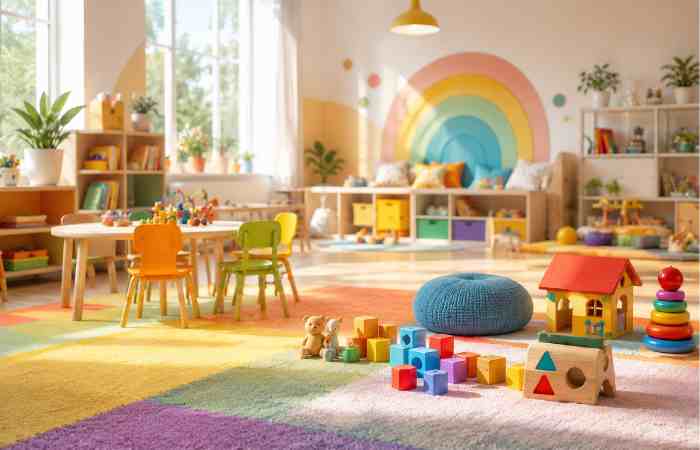
ThePlayCentre.org is an information website for parents, teachers, childcare providers and early years professionals. At ThePlayCentre.org you’ll find play-based ideas and activities for helping your child develop through play.
ThePlayCentre.org doesn’t subscribe to teaching and curriculum development at the expense of children’s holistic natural development through; creativity and imagination, physical action, problem solving, and the many opportunities for communication provided by interaction with other humans.
It embraces the idea that play and fun lay down the foundation blocks of a lifetime of learning and development.
Understanding Play-Based Learning
Play is a term used in education for the act by means of which we can increase our knowledge, develop interpersonal skills and improve both the development of their emotions and how to manage problems.
Therefore, in the case of children, this act has to provide their learning through experimenting, creating, constructing and relating.
Examples include:
- Building with blocks
- Pretend kitchens
- Outdoor exploration
- Painting
- Storytelling
- Music
- Science experiments
- Water play
- Nature walks
- Puzzle games
Kids develop this type of thinking while at play and it makes for a really fun time!
Why Play-Based Learning Matters
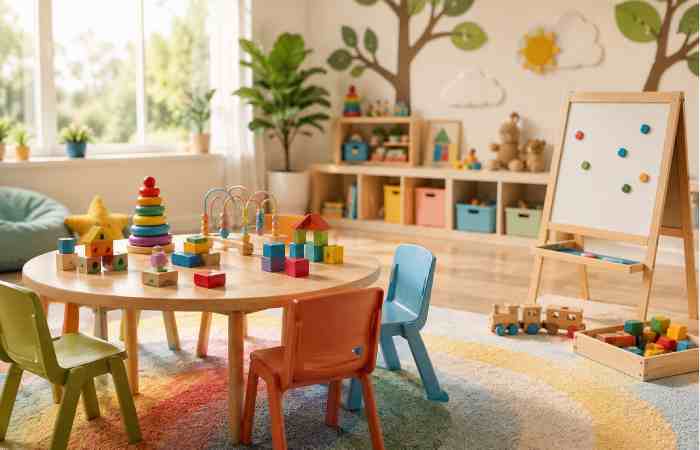
We find every single new modern study proves the benefits of play for a healthy child. Unstructured and guided by the children, through free play, children are able to refine and hone many areas.
They include:
- Communication
- Language development
- Emotional regulation
- Creativity
- Confidence
- Social interaction
- Memory
- Fine motor skills
- Gross motor skills
- Problem-solving
- Critical thinking
This explains why educational platforms like ThePlayCentre.org continue to attract parents and educators worldwide.
Key Features of ThePlayCentre.org
| Feature | Description | Primary Benefit |
| Activity Ideas | Creative indoor and outdoor activities | Keeps children engaged |
| Parenting Resources | Practical parenting advice | Better family learning |
| Educational Articles | Child development information | Evidence-based learning |
| Teacher Resources | Classroom ideas | Saves preparation time |
| Creative Crafts | Art and DIY projects | Improves creativity |
| Learning Games | Interactive educational games | Fun skill development |
| Development Tips | Age-specific guidance | Supports healthy growth |
| Seasonal Activities | Holiday and festival ideas | Year-round engagement |
How ThePlayCentre.org Supports Child Development
The website focuses on several important areas of childhood development.
Cognitive Development
Children strengthen thinking abilities through:
- Matching games
- Sorting activities
- Counting exercises
- Building challenges
- Pattern recognition
- Memory games
These activities improve concentration and reasoning.
Social Development
Children also learn important life skills, including:
- Sharing
- Cooperation
- Listening
- Teamwork
- Respect
- Leadership
- Empathy
These prepare children for school as well as their real life interactions with people.
Emotional Development
Play allows children an unstructured space to express themselves and work through emotions.
Benefits include:
- Reduced anxiety
- Improved confidence
- Better emotional control
- Increased independence
- Stronger resilience
Physical Development
Learn through hands-on tasks promoting movement and coordination.
Examples include:
- Climbing
- Jumping
- Running
- Dancing
- Drawing
- Cutting paper
- Building structures
Both these help in toning muscles as also in developing better coordination and balance.
Types of Activities Found on ThePlayCentre.org
The platform typically emphasizes diverse learning experiences suitable for different age groups.
Indoor Activities
Indoor learning may include:
- Puzzle challenges
- Board games
- Drawing sessions
- Story reading
- Alphabet games
- STEM experiments
- Sensory bins
These activities work well during rainy days or home learning sessions.
Outdoor Activities
Play often includes:
- Nature scavenger hunts
- Gardening
- Sand play
- Water games
- Ball games
- Obstacle courses
- Treasure hunts
Outdoor learning improves physical health while encouraging curiosity.
Creative Activities
Creative expression is another important area.
Children may enjoy:
- Finger painting
- Clay modeling
- Origami
- DIY crafts
- Coloring
- Music
- Dance
- Puppet shows
Creativity supports imagination and self-expression.
Benefits of Using ThePlayCentre.org
The platform offers advantages for both children and adults.
Parents
- Easy activity ideas
- Better parent-child interaction
- Reduced screen time
- Educational home routines
- Improved family bonding
Teachers
- Classroom inspiration
- Lesson planning ideas
- Printable activities
- Creative teaching strategies
- Child development resources
Children
- Fun learning
- Confidence building
- Better communication
- Stronger creativity
- Improved curiosity
- Positive learning experiences
Comparison Table: ThePlayCentre.org vs Traditional Learning
| Feature | ThePlayCentre.org | Traditional Learning |
| Learning Style | Interactive | Lecture-based |
| Creativity | High | Moderate |
| Child Participation | Very High | Medium |
| Hands-on Activities | Extensive | Limited |
| Problem Solving | Encouraged | Structured |
| Flexibility | Excellent | Moderate |
| Emotional Learning | Strong | Basic |
| Collaboration | Frequent | Occasional |
| Curiosity | Highly encouraged | Curriculum-focused |
| Fun Factor | Very High | Moderate |
Age Groups That Benefit
Different stages of childhood require different learning approaches.
| Age Group | Recommended Activities | Skills Developed |
| 1–3 Years | Sensory play | Motor skills |
| 3–5 Years | Pretend play | Language development |
| 5–7 Years | Storytelling | Reading readiness |
| 7–10 Years | STEM games | Critical thinking |
| 10+ Years | Creative projects | Problem-solving |
How Parents Can Use ThePlayCentre.org Effectively
Parents can maximize the platform by creating a balanced daily learning routine.
For example:
Morning
- Reading together
- Counting games
- Alphabet activities
Afternoon
- Outdoor play
- Nature exploration
- Science experiments
Evening
- Storytelling
- Creative crafts
- Family board games
This routine keeps learning enjoyable without overwhelming children.
Why Play Is More Effective Than Passive Learning
Children naturally remember experiences better than lectures.
When children physically interact with objects, ask questions, solve problems, and make discoveries, multiple areas of the brain become active simultaneously.
This leads to:
- Better memory retention
- Faster understanding
- Increased motivation
- Greater confidence
- Improved creativity
Play transforms learning into an exciting adventure instead of a compulsory task.
Skills Children Develop Through Play
Play-based learning helps build a broad range of abilities.
- Language and communication
- Reading readiness
- Writing preparation
- Mathematical thinking
- Scientific curiosity
- Creativity
- Leadership
- Teamwork
- Emotional intelligence
- Decision-making
- Concentration
- Self-confidence
These foundational skills support long-term academic and personal success.
Safety Tips for Play Activities
A successful play environment should always prioritize safety.
Some practical guidelines include:
- Choose age-appropriate toys.
- Supervise younger children.
- Keep play areas clean.
- Avoid small choking hazards.
- Encourage outdoor safety rules.
- Rotate toys to maintain interest.
- Store art supplies securely.
Safe environments allow children to explore with confidence.
Common Misconceptions About Play-Based Learning
“Children only play—they don’t learn.”
In reality, children learn continuously through play by experimenting, observing, communicating, and solving problems.
“Play wastes educational time.”
Research suggests that meaningful play often strengthens academic readiness rather than delaying it.
“Educational play requires expensive toys.”
Many valuable learning experiences involve simple household items such as cardboard boxes, paper, blocks, recycled materials, or natural objects.
Practical Tips for Teachers
Teachers can integrate play into everyday lessons by:
- Using storytelling during literacy sessions.
- Turning math into hands-on games.
- Encouraging collaborative group projects.
- Creating science discovery stations.
- Including movement breaks between lessons.
- Designing role-playing activities.
These methods increase classroom engagement while supporting curriculum goals.
Advantages and Disadvantages
| Advantages | Disadvantages |
| Encourages creativity | Requires preparation time |
| Builds confidence | Some activities need supervision |
| Supports emotional growth | Weather may affect outdoor play |
| Promotes independent thinking | Materials may occasionally be needed |
| Reduces learning stress | Outcomes can vary by child |
| Improves social skills | Consistency is important |
Tips for Choosing Educational Activities
When selecting activities, consider:
- Child’s age
- Interests
- Attention span
- Learning objectives
- Available space
- Safety requirements
- Required materials
- Opportunities for creativity
The best activities challenge children while remaining enjoyable.
The Future of Play-Based Learning
Teaching is in a constant state of evolution as educational technology and approaches continue to evolve and grow. The key that hasn’t changed in many decades is this – play has an important role in how children learn.
Here are a couple of the elements of future play-based educational platforms:
- Interactive digital resources
- Personalised learning paths
- STEM-focused activities
- Outdoor environmental education
- Inclusive learning materials
- Family participation tools
- Creative maker projects
Real-world exploration with technology focus is where the emphasis stays.
Frequently Asked Questions
What is ThePlayCentre.org?
ThePlayCentre.org encourages and inspire children, parents and teachers to promote learning through play. Play Centre provide activities, parenting, teacher tips, kid and baby facts.
Who can use ThePlayCentre.org?
Parents, preschool teachers, caregivers, homeschooling families, and early childhood educators can all benefit from its resources.
Is play-based learning suitable for school preparation?
Yes, play-based learning supports children’s communication, literacy-ready skills, social competencies, creativity, and problem-solving for academic success in the future.
Does play improve cognitive development?
Yes. Activities such as puzzles, building blocks, storytelling, and imaginative games encourage reasoning, memory, attention, and critical thinking.
Can educational play reduce screen time?
Absolutely. Creative crafts, outdoor exploration, board games, and sensory activities provide engaging alternatives to excessive screen use.
Are expensive educational toys necessary?
No. Everyday household materials, recycled items, and natural objects can become effective learning tools when used creatively.
Conclusion
“ThePlayCentre.org addresses an increasing recognition that deep and memorable learning don’t solely occur within textbooks and lecture rooms,” said creator of ThePlayCentre.org, Jenny. “Through focusing on play, invention, discovery, exploration and experience, the Centre supports children’s natural growth – emotionally, intellectually, physically and socially.” “Parents can find exciting new approaches for enhancing their kids’ ‘down time’ by tapping into ‘teachable moments’, teachers can feel inspired to try new things with kids, and for children, ThePlayCentre can make learning ‘fun, magical and meaningful’.”