
 0 Comments

When you dive into the world of surgical instruments, one tool you’ll hear about again and again is the Allis tissue forceps — sometimes simply called an Allis clamp or Allis forceps. These instruments may look small and simple, but they play a critical role in many surgical procedures due to their design and functionality.
Let’s walk through what these forceps are, how they’re used, how they differ from other surgical tools, and why they remain a staple in operating rooms around the world.
What Are Allis Tissue Forceps?
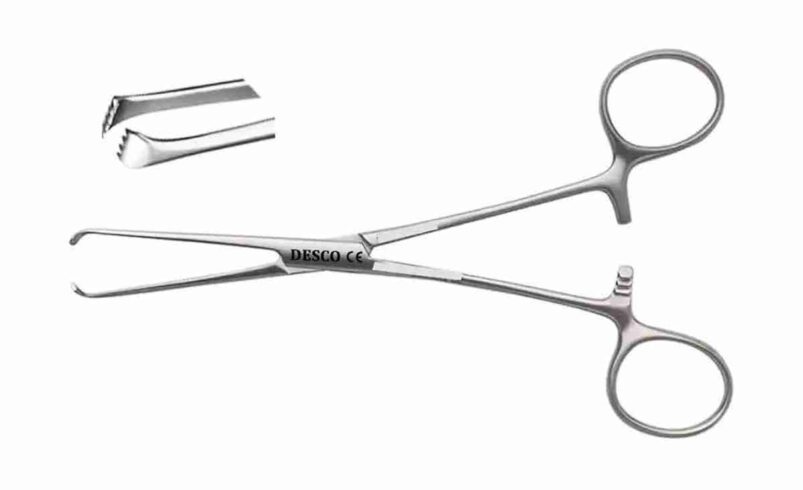
At their core, Allis tissue forceps are surgical graspers designed to hold, retract, and manipulate body tissues with precision during operations. What makes them distinct is their interlocking teeth and ratcheted locking mechanism, which allows surgeons to secure tissue firmly without constant hand pressure.
This design helps stabilize tissue, giving the surgical team better visibility and control, especially during delicate parts of a procedure.
A Brief History
The Allis clamp was invented by Dr. Oscar Huntington Allis, a noted American surgeon in the late 19th century. It quickly became a dependable instrument in abdominal surgery and has since spread into nearly every surgical specialty.
Key Features & Design
Here’s what sets Allis tissue forceps apart:
Interlocking Teeth
The tips of the forceps have sharp, serrated teeth that interlock when closed. This allows them to grip tissue securely, even when the tissue is slippery or tough.
Ratcheted Locking
Once the surgeon clamps onto tissue, a locking ratchet mechanism keeps the jaws closed without continuous pressure from the hand — this reduces fatigue and lets the surgeon focus on other tasks.
Finger Rings
The handles typically have ring grips, similar to scissors, which gives the surgeon precise control and smooth handling.
Stainless Steel Construction
These forceps are usually made from high-quality stainless steel. That means they can be sterilized repeatedly without corrosion — a must in surgical settings.
How Are They Used in Surgery?
Allis tissue forceps are incredibly versatile. They’re used in numerous surgical disciplines because of their ability to grasp and stabilize tissues securely.
Here are some common uses:
General Surgery
Surgeons use them to handle fascia, skin, and muscle during incisions, retractions, and suturing. Their firm grip helps expose the operative field and control tissue movement.
Gynecological Procedures
In gynecology, these forceps can be used to grasp cervical or uterine tissue during procedures like hysterectomies or intrauterine device placement. They tend to cause less bleeding compared with some other instruments such as the tenaculum.
Orthopedic Surgery
In orthopedic operations, Allis forceps help hold muscle or connective tissues out of the way, so surgeons can access the joint or bone structures more effectively.
Plastic and Reconstructive Surgery
Their dependable grip is also useful when handling soft tissues during reconstructive procedures, helping maintain tissue position during delicate operations.
ENT and Veterinary Procedures
Although less common, these forceps are also used in ear, nose & throat (ENT) surgeries and in veterinary procedures for tissue control.
Allis Forceps vs. Other Graspers
It’s helpful to see how these forceps stack up against other surgical gripping tools:
| Instrument | Grip Type | Typical Use |
|---|---|---|
| Allis Forceps | Interlocking teeth | Firm grip on tissue |
| Babcock Forceps | Gentle, looped jaws | Delicate tissue like intestines |
| Kocher Forceps | Toothed with ratchet | Heavy tissue or fascia |
| Debakey Forceps | Atraumatic serrations | Vascular or delicate work |
Allis forceps are known for a firm, secure grip, making them ideal when a tissue needs to be held without slipping.
When Not to Use Allis Forceps
Because of the rigid grip and pointed teeth, these forceps can damage delicate or highly vascular tissue if misused. Surgeons therefore use them carefully or opt for gentler instruments (like Babcock forceps) when working with fragile structures.
How to Maintain Allis Tissue Forceps
To ensure these instruments last through many surgeries and sterilization cycles:
-
Clean immediately after use to remove blood and debris.
-
Use autoclave sterilization as recommended for surgical steel.
-
Store in dry, cushioned trays to prevent wear.
-
Inspect regularly for alignment issues or wear.
Proper maintenance is essential for safety and longevity.
Why These Forceps Are Still Important Today
Despite many advances in surgical technology, Allis tissue forceps remain a staple in operating rooms worldwide. Their combination of secure grip, ease of use, and dependable design ensures they’re useful in a huge range of procedures — from general surgery suites to specialized applications in obstetrics, orthopedics, and beyond.
Final Thoughts
If you’re learning about surgical tools or choosing instruments for a clinical setting, understanding Allis tissue forceps is essential. They exemplify how a simple, well-designed instrument can have a massive impact across multiple medical disciplines. Their usefulness lies in a careful balance of strength and control, and that’s why surgeons continue to rely on them.