
 0 Comments

Copy Trading Benefits and Risks: A Complete Beginner’s Guide
Copy trading has become one of the most popular ways for new traders to enter the financial markets. Instead of learning everything from scratch, beginners can copy the trades of experienced investors. But like every trading method, copy trading comes with both advantages and risks. In this guide, I’ll break down the benefits and risks of copy trading so you can decide whether it’s the right choice for you.
What Is Copy Trading?
Copy trading is a system that automatically replicates the trades of a professional or successful trader. When they buy, you buy. When they sell, you sell. Platforms like eToro, ZuluTrade, and PrimeXBT are known for offering these features.
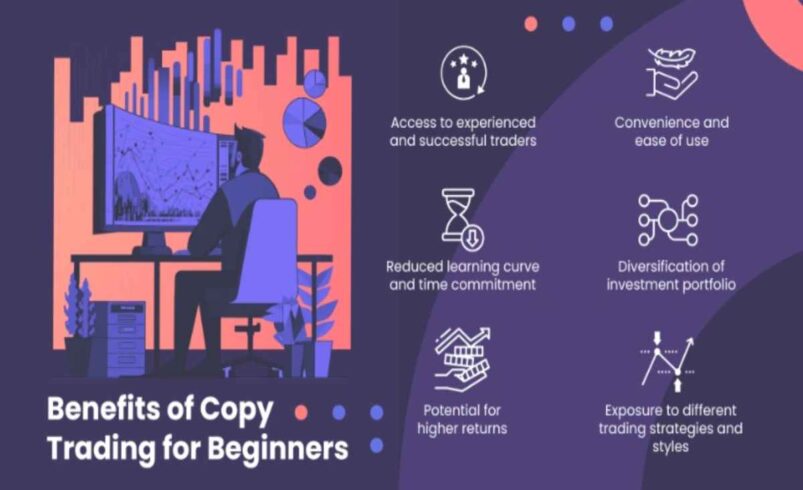
Copy Trading Benefits
Copy trading offers several substantial advantages, especially for beginners or those who don’t have time to analyze the markets.
Easy for Beginners
You don’t need deep knowledge of forex, stocks, or crypto. By following experienced traders, you learn how they make decisions.
Saves Time
No need to sit in front of charts all day. The system trades for you automatically according to the trader’s strategy you’re copying.
Access to Expert Strategies
You get direct exposure to the trading style, risk management, and market understanding of professionals.
Diversification Made Simple
You can copy multiple traders at once. This spreads your risk across different strategies and markets, such as forex, crypto, commodities, and stocks.
Potential for Faster Learning
Watching trades executed in real time helps you understand market behavior, indicators, and strategies more clearly.
Emotion-Free Trading
Many traders lose money due to emotional decisions. Copy trading removes panic, fear, or greed because trades remain executed automatically.
Copy Trading Risks
Even though copy trading has many benefits, it comes with real risks you must understand before investing.
Risk of Following the Wrong Trader
Not every “expert” trader is truly skilled. Some take high risks, which can lead to significant losses. Always study their history, strategy, drawdown, and trading style.
Market Volatility
Even the best traders sometimes lose money. Markets like crypto and forex change rapidly, which can impact your copied trades.
Blind Trust Can Be Dangerous
Copy trading becomes risky if you rely entirely on the trader without monitoring your account. Regular review is essential.
Hidden Fees or High Spreads
Some platforms charge fees for copying, withdrawing, or executing trades. High spreads can reduce your profits.
Not All Strategies Fit Your Risk Level
A trader may be profitable but use aggressive strategies, such as high leverage. If your risk tolerance is lower, this mismatch can hurt your account.
Technical or Platform Issues
If the platform lags or the trader closes positions too fast, your copied trade may not execute correctly.
How to Reduce Risks in Copy Trading
Here are innovative ways to protect your investment:
- Check the trader’s past performance over at least 6–12 months
- Look at drawdown levels (lower is safer)
- Avoid traders using very high leverage
- Diversify by copying multiple traders
- Start with a small amount and increase gradually
- Monitor your account weekly
- Set stop-loss levels when available
Is Copy Trading Worth It?
Copy trading can be a good option if:
- You’re new to trading
- You don’t have time for market analysis
- You want to learn from real-time trades
- You’re willing to manage your risk
However, it’s not a guaranteed way to make money. You still need to research, choose the right traders, and monitor your investments.
Final Thoughts
Understanding the benefits and risks of copy trading helps you make smarter investment decisions. While copy trading makes it easier to learn and trade, it’s essential to choose reliable traders and use proper risk management. With the right strategy, copy trading can be a helpful tool — but only when done responsibly.