
 0 Comments

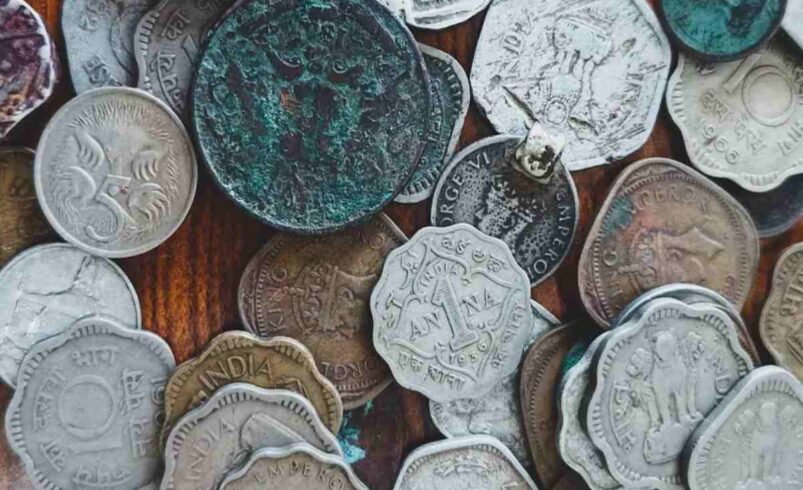
So you found some old coins lying around — maybe in a drawer, maybe in a dusty box your grandparents left behind, or maybe you’ve been collecting them for years. And now you’re wondering, “Can I actually sell these? Are they worth anything?”
Let me tell you something:
A lot of people underestimate how valuable old coins can be.
Some coins might be worth only a few bucks… while others can surprise you with a price you wouldn’t believe.
The real challenge isn’t finding coins — it’s figuring out how to sell them the right way so you don’t get lowballed or scammed.
So let’s break this down step-by-step, in a simple, natural, real-human way. No jargon. No complicated coin-collector language.
Just the stuff you actually need to know.
Step 1 — Understand What You Really Have
Before you rush to sell anything, slow down for a second. You need to understand what kind of coins you’re holding. Not all old coins are rare. Not all shiny coins are valuable. And not all dirty coins are worthless.
In fact, I once saw someone clean a very old coin thinking it would “look better,” and they accidentally destroyed half its value.
So yeah… take this part seriously.
Here’s what you want to examine:
1. The coin’s age
Older coins can be more valuable, but age alone doesn’t guarantee anything. A rare coin from 1970 might be worth more than a common coin from 1800. It depends on how many were made and how many still exist.
2. The coin’s material
Gold, silver, and certain metals can increase the value. Even if a coin isn’t rare, the metal itself might be worth more than the face value.
3. The coin’s condition
Collectors love clean, crisp details. Scratches, dents, and faded markings can lower the price.
And remember — do NOT clean your coins. Most collectors prefer them untouched.
4. Whether the coin is rare or special
Some coins have:
- Minting errors
- Unique designs
- Historical stories
- Very low mintage numbers
These features can turn an ordinary coin into a collector’s dream.
Step 2 — Decide Where You Want to Sell Your Coins
Once you have an idea of what you’re holding, the next question is: Where do you sell it?
There isn’t just one correct answer. It depends on your priorities — fast cash, maximum value, convenience, or reaching serious collectors.
Let’s walk through your options.
Option 1 — Sell to a Local Coin Dealer
This is the easiest and fastest option.
You walk into the shop with your coins.
They evaluate them.
You walk out with cash.
Done.
Why choose this?
You don’t want hassle. You don’t want to take photos. You don’t want to ship anything.
The downside?
Dealers need to make a profit, so they may pay less than what a collector might pay. That’s normal — they’re running a business. But it’s still a safe, simple way to sell.
Option 2 — Sell Online
If you want a potentially higher price, online selling might be the way to go. People browse online platforms looking specifically for certain coins, which means you might find a buyer willing to pay more than a dealer.
Here’s the catch:
You need to take good photos.
You need to describe the coin honestly.
And you need patience.
This option is great if:
You’re not in a rush and want maximum value.
Be ready for questions like:
“Can you send a closer photo?”
“How’s the condition?”
“Does it have scratches?”
Buyers online can be picky — but they also pay better when the coin is rare or valuable.
Option 3 — Auction It
This is the most exciting option — and the most unpredictable.
Auctions can turn a simple coin into a bidding war if it’s rare enough. Imagine listing a coin and seeing multiple bidders fight for it. The final price can sometimes surprise you in the best way.
However, auctions take time. You won’t get paid immediately. And there might be some fees involved.
This option works best for:
- Extremely old coins
- Rare coins
- Unique or error coins
- Collections
If you think your coin is something special, this might be the perfect route.
Step 3 — Learn the Real Value Before You Sell
This is the part most people skip — and it’s the part that costs them money.
Before you sell anything, you need at least a rough idea of the actual value. Otherwise, you’re walking in blind.
Here’s how to do it:
1. Compare your coin with similar coins
Look at photos of similar coins online (same year, same condition, same design). This gives you a rough estimate.
2. Get an expert’s opinion
Coin appraisers or collectors can give you an honest estimate. Some may do it for free if they think your coin has real potential.
3. Consider getting the coin graded
If your coin is very rare or in exceptional condition, consider getting it officially graded.
A graded coin often sells for more because buyers trust the certification.
However, grading costs money — so only do this if the coin is likely valuable.
Step 4 — Sell Safely and Avoid Scams
Let’s talk about something important: scams happen in the coin world.
Old coins attract two types of people — serious collectors and scammers.
Here’s how to protect yourself:
1. Never pay upfront to “verify” your coin
If someone asks for money before buying your coin, walk away.
2. Meet in a safe location
If you’re selling face-to-face, choose a public place — a café, bank lobby, or anywhere well-lit.
3. Trust your instincts
If something feels sketchy… trust that feeling.
4. Don’t share personal details unnecessarily
Keep communication professional, especially online.
Step 5 — Present Your Coins Properly
Whether you’re selling online or in person, presentation matters more than people realize.
Here’s what helps:
Clear photos
Show the coin from the front, back, sides, and close-ups.
Honest description
If there’s a scratch, say it.
If the coin is worn out, say it.
Buyers appreciate honesty more than perfection.
Store the coins carefully
Use sleeves or coin holders. Don’t just toss them in a bag.
This not only protects the coin — it makes you look professional.
Bonus Tips to Get the Best Price
Let me give you some extra things that make a BIG difference:
Don’t rush it
Many people sell too quickly and underestimate their coin’s value.
Look at the “sold” prices, not the “listed” prices
Just because someone lists a coin for ₹20,000 doesn’t mean it sold for that much.
Consider selling as a collection
Sometimes a group of coins sells for more than selling each one separately.
Keep rare coins untouched
Collectors love originals — even if they look old.
Quick Summary — How to Sell Old Coins in 2025
Here’s the entire process in a nutshell:
- Identify your coin — year, metal, condition, rarity.
- Choose where to sell — dealer, online, or auction.
- Learn its value before talking to buyers.
- Stay safe — avoid upfront fees, meet responsibly.
- Present the coin nicely — clear photos, honest description.
- Don’t rush — take your time to get the best price.
Selling old coins can be surprisingly exciting — and profitable — when you know what you’re doing. And who knows? That dusty old box in your drawer might be holding something more valuable than you ever imagined.