
 0 Comments

Last mile delivery—the final step in moving goods from a hub to the end recipient—is often the most critical and costly juncture in the supply chain. As e-commerce booms and customer expectations rise, businesses worldwide grapple with last-mile delivery challenges that affect profitability, efficiency, and sustainability. Although it represents only a small slice of the logistics journey in distance, this phase accounts for 40–55% of total delivery costs and has become the strategic focal point for innovation and operational overhaul.
In this detailed, research-based exploration, we unpack the core issues companies face, compare costs across geographies, and spotlight breakthrough strategies reshaping the delivery landscape.
What Makes Last Mile Delivery So Challenging?
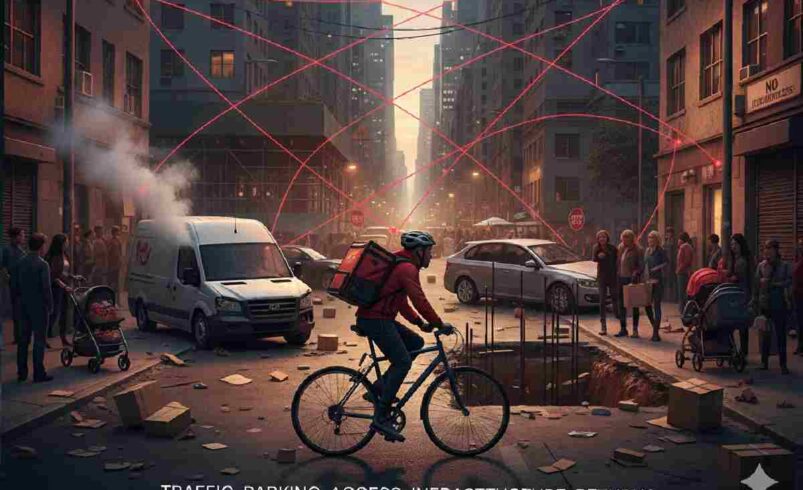
Last mile delivery challenges are multifaceted—ranging from high operational costs and traffic snarls to customer behavior and environmental pressures.
- Skyrocketing Costs and Operational Pressure
- The last mile represents 40–53% of total shipping expenses, driven by fuel, labor, vehicle maintenance, and routing inefficiencies.
- Costs per delivery vary by context:
- Urban dense areas: ~$4.50 per drop
- Suburban locales: ~$1.50 per drop
These expenditures eat into profit margins, particularly for small and mid-sized e-commerce firms that lack scale advantages.
- Traffic, Geography, and Address Complexity
- Urban gridlock and congestion slow deliveries, inflate fuel use, and extend driver hours.
- In countries like India with non-standardized addresses and busy urban lanes, incorrect or incomplete addresses result in multiple delivery attempts.
- Failed Deliveries and Customer Availability
On average, households experience 2.5 delivery attempts, with roughly 20% of packages returned due to failed first attempts—boosting cost and inefficiency.
- Security, Theft, and Returns
Reports highlight theft, damage, and the complexity of reverse logistics (returns) as recurring cost drivers, especially in areas with limited infrastructure or high crime rates.
- Environmental and Regulatory Pressures
Urban delivery has an environmental footprint—traffic emissions, packaging waste, and regulatory constraints like low-emission zones tighten operational flexibility.
Global Cost Comparison of Last Mile Delivery
The last mile delivery challenges differ across markets due to economic conditions, geography, labor costs, and infrastructure maturity. Below is a snapshot of cost structures and market characteristics in three regions:
Last Mile Delivery Costs and Dynamics by Region
| Region / Country | Average Cost per Delivery | Key Cost Drivers | Market Notes |
| United States | ~$4–$10+ | Labor, fuel, complex urban routes | Costs high due to wage levels and infrastructure; USPS last-mile is financially critical in their model. |
| Europe | Variable, rising | Labor, fuel, environmental regulations | Logistics pros report cost increases; pricing pressures rising. |
| India | ₹25–₹150 (~$0.30–$1.80) | Traffic, address complexity, returns | Urban congestion significant; lack of standardized addressing increases failed attempts. |
Country-Specific Last Mile Delivery Challenges
United States
- Postal Service Strain: The USPS reported a $1.25 billion quarterly loss, with last-mile delivery as the most expensive segment of their logistics footprint.
- Revenue Pressures: Efforts to monetize USPS’s last-mile network by opening it to external shippers aim to stem cash losses.
Europe
- Rising Costs: Logistics professionals indicate rising last-mile expenses, partly due to labor and regulatory limitations.
- Environmental Regulations: Low emission zones and parking restrictions complicate urban logistics, pressuring service models.
India
- Address and Geography Challenges: Significant logistics friction arises from incomplete addresses, low delivery density, and urban congestion.
- Growth and Investment: Rapid e-commerce growth is driving logistics firm expansion and funding, reflecting the high stakes of last-mile efficiency.
Emerging Strategies to Overcome Last Mile Delivery Challenges
Innovation is transforming bottlenecks into opportunities. Businesses are adopting both operational and tech-driven solutions:
Route Optimization and AI
- AI tools enable smarter routing based on real-time traffic and delivery clusters, cutting distance, fuel use, and time.
Flexible Scheduling and Customer Preferences
- Offering delivery windows and rescheduling options reduces failed attempts and strengthens satisfaction.
Hub-and-Spoke Models
- Local micro-hubs or neighborhood pickup points cluster deliveries to minimize distance and improve efficiency.
Collaborative & Green Logistics
- Research into crowdshipping and multimodal delivery (buses, drones, robots) shows potential cost and sustainability benefits.
Cost & Investment Snapshot
To further illustrate the economics of modern last mile logistics, here’s a simplified view of typical cost components and technology investments:
Typical Last Mile Delivery Cost Breakdown
| Cost Category | % of Total Expense | Notes |
| Labor | ~30–40% | Drivers, handlers, overtime |
| Fuel | ~20–30% | Urban congestion hurts efficiency |
| Vehicle Maintenance | ~10–15% | Wear, road conditions |
| Routing & Tech | ~10% | GPS, optimization software |
Technology Investment Ranges
| Technology | Investment Range | Benefit |
| Route Optimization Tools | $5,000–$50,000 | Reduced fuel and time |
| Real-time Tracking Systems | $10,000+ | Improved visibility |
| Customer Communication Apps | $3,000–$20,000 | Better customer experience |
The Future of Last Mile Delivery
As digital commerce and consumer expectations evolve, last mile delivery challenges are no longer peripheral—they’re central to competitive strategy. Here are key trends shaping the road ahead:
Hyperlocal Fulfillment
Short delivery windows and 10-minute delivery expectations are driving the rise of micro-warehouses in urban and tier-2 cities.
Collaborative & Sustainable Models
Crowdshipping and multimodal routing using drones, public transport, and autonomous vehicles could redefine cost and efficiency frameworks.
AI-Enhanced Routing and Predictive Analytics
Advanced route evaluation using large language models and AI can help companies anticipate inefficiencies before they occur.
Conclusion
The shift toward faster, more reliable delivery experiences has turned last mile delivery challenges into defining hurdles for modern logistics. With nearly half of delivery costs concentrated at the final leg and rising customer expectations for speed and transparency, enterprises must embrace innovation and data-driven strategies. From AI-powered routing to collaborative delivery models, the future of last-mile logistics will be determined by adaptability and investment in smarter infrastructure.