
 0 Comments

Let’s be honest — water is something we take for granted until we realize we shouldn’t. Tap water might be convenient, but depending on where you live, it can carry taste issues, chlorine smell, sediment, or unwanted impurities.
That’s why a Pur water filter isn’t just a fancy kitchen gadget — it’s a daily necessity for many homes. Whether you’re trying to improve taste, protect your family’s health, or avoid buying bottled water every week, a Pur filter can make a real difference.
This guide walks you through:
-
What a Pur water filter is
-
How it works
-
Different types of Pur filters
-
Benefits you’ll actually notice
-
How to choose the right one
-
Maintenance & cost tips
-
FAQs for quick clarity
No old marketing fluff — just real, practical info you can use today.
What Exactly Is a Pur Water Filter? (In Simple Words)
Here’s how to think about it:
A Pur water filter is a device that cleans your drinking water by removing impurities, contaminants, and unwanted tastes or smells.
It makes water safer, cleaner, and easier to enjoy.
Pur has been around for decades and is one of the most recognized home water filter brands — mostly because its filters do their job reliably without you needing a degree in chemistry to understand what’s happening.
How Pur Water Filters Work (Without the Science Overload)
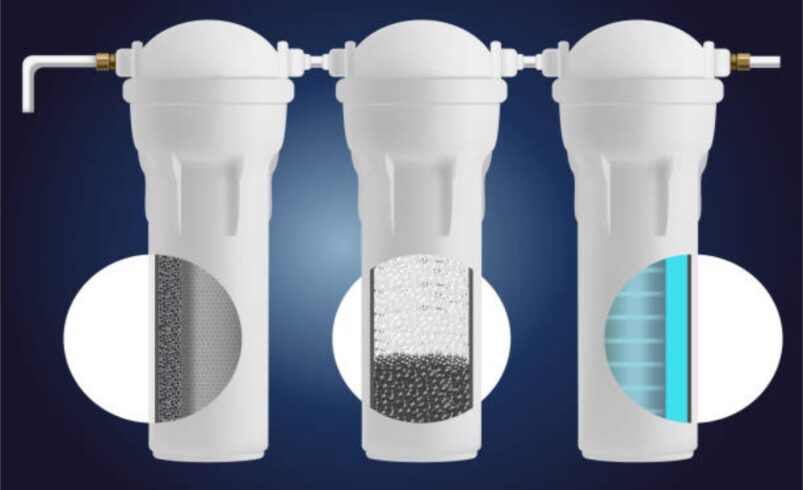
There are a few different technologies inside water filters, but most Pur systems use a mix of:
1. Mechanical Filtration
This traps visible particles like:
-
Sediment
-
Rust
-
Dirt
-
Sand
Before the water goes any further.
2. Activated Carbon
This is the part that makes filtered water taste better. It:
-
Reduces chlorine taste
-
Removes odors
-
Catches organic compounds
3. Additional Media
Some Pur filters go a step further to reduce lead, pesticides, and other contaminants depending on the model.
Think of it like a multi-stage camping filter — but optimized for your kitchen and everyday use.
Types of Pur Water Filters You Can Buy in 2025
Pur makes several water filter types, and each one fits a different lifestyle and kitchen setup.
1. Faucet-Mounted Pur Filters
Perfect if:
-
You don’t want extra gadgets
-
You want easy installation
-
You rent your home
These simply clip onto your existing tap. Water automatically passes through the filter when you turn it on.
Pros:
-
Very easy to install
-
Affordable
-
No separate pitcher or reservoir
Cons:
-
Works only at the sink
-
Slightly slower flow rate
2. Countertop Pur Filters
These sit next to your sink and connect to the faucet with a small tube.
Pros:
-
Larger filter capacity
-
Often better at reducing more contaminants
-
Easy to maintain
Cons:
-
Takes up counter space
-
Still tied to the sink
3. Under-Sink Pur Filters
These are hidden under your sink and deliver filtered water from a separate tap.
Pros:
-
Great for bigger households
-
Often filters more deeply
-
Doesn’t take up counter space
Cons:
-
Slightly more complex installation
-
Higher upfront cost
4. Pur Water Filter Pitchers
Best if:
-
You want something simple and portable
-
You don’t want any installation
Just fill it with water, let it filter, and pour.
Pros:
-
Very affordable
-
Great for renters or apartments
-
Ideal for filtering small amounts
Cons:
-
Needs frequent refilling
-
Not ideal for large families
Benefits of Using a Pur Water Filter
Now let’s talk about what you feel when you actually use one — not just what the brochure says.
1. Better Taste & Smell
This is the change you’ll notice first.
Tap water often has:
-
Chlorine taste
-
Metallic whiffs
-
Odd aftertastes
Pur filters remove those, and suddenly plain water feels good to drink — no extra flavors, no weird smells.
2. Removes Common Contaminants
Many people are surprised how much old water systems can leave behind. A good Pur filter:
-
Reduces sediment
-
Removes chlorine and bad tastes
-
Cuts down harmful metals (varies by model)
That’s peace of mind you feel every day.
3. Saves Money Over Bottled Water
Buying bottles every week adds up fast — and that’s without counting the plastic waste.
A home filter pays back its cost pretty quickly compared to ongoing bottled water spending.
4. Eco-Friendly Choice
Because:
-
Less plastic waste
-
No shipping of water bottles
-
Positive environmental impact
Your daily water habits start to feel better for the planet.
5. Convenience
No lugging giant water bottles from the store.
No running out when guests arrive.
Just turn on your kitchen faucet and enjoy clean water.
How to Choose the Right Pur Water Filter
Here’s the part where people usually get stuck — there are a few models and options, so how do you choose?
Ask yourself these three questions first:
1. How Much Water Do You Use Daily?
-
Small household or solo? A pitcher might be enough.
-
Family of four? Under-sink or countertop works better.
-
Heavy drinkers with frequent cooking? Go for bigger capacity systems.
2. Do You Want Installation or No Fuss?
If you don’t want tools, plumbing, or drilling:
-
Faucet-mounted or pitcher = easy
If you want more powerful filtration: -
Under-sink = stronger, cleaner, out of sight
3. What’s Your Budget?
Remember:
-
Pitchers = lowest upfront cost
-
Faucet or countertop filters = mid-range
-
Under-sink systems = higher cost but bigger performance
Think in terms of long-term value, not just the price tag.
Maintenance Tips to Keep Your Pur Filter Working Great
You bought the filter — now let’s make sure it keeps working like it should.
1. Change the Filter on Time
Every Pur model has a recommended filter change schedule (often measured in gallons filtered).
Follow it. If you wait too long, the filter clogs and performance drops.
2. Don’t Let Sediment Build Up
If your water has heavy particles, flush the system occasionally — especially on faucet or countertop models.
3. Rinse the Pitcher or Reservoir
Even if you don’t change the filter yet, cleaning the pitcher or tank keeps mold and tastes away.
4. Check Seals and Connections
Loose fittings under the sink or at the faucet can reduce performance. Tighten gently if you spot leaks.
Cost Considerations (Real Talk)
People often ask:
“Is a Pur water filter expensive?”
The truth is:
-
Upfront cost depends on what model you choose
-
Long-term, the filter cartridges are your biggest recurring cost
-
But compared to bottles, even mid-range filters tend to save money over time
Think of it like paying once and then small touch-ups rather than buying water every week.
FAQs About Pur Water Filters
Q1. Are Pur water filters worth it?
Absolutely — especially if you want better taste, reduced impurities, and fewer plastic bottles in your life.
Q2. How often do I change the filter?
It varies by model. Most have guidelines like “every 2–6 months” or a certain number of gallons.
Q3. Do these filters remove bacteria?
Most Pur filters focus on taste, chlorine, and certain contaminants. If you specifically worry about bacteria, look for models or systems rated for microbiological safety.
Q4. Can I install under-sink Pur filters myself?
Many are designed for DIY installation, but anyone who struggles with tools might prefer professional help.
Q5. Do Pur filters improve water clarity?
Yes. They reduce visible particles and sediment, so your water looks (and tastes) cleaner.
Final Thoughts — Clean Water Starts at Home
Water is something you drink every single day. Why not make it taste better and feel safer?
A Pur water filter isn’t just a thing you plug in — it’s a small investment with daily impact:
-
Better-tasting water
-
Fewer impurities
-
Less bottled water waste
-
Peace of mind for your family
Whether you’re buying your first filter or upgrading an old system, understanding your needs and how different Pur models work helps you make a smart choice.
Clean water isn’t complicated. It just starts with the right filter — and now you know exactly how to choose it.