
 0 Comments

Let me start with something honest.
Most people don’t think about stainless steel tubes until they absolutely have to. They’re not flashy. They don’t trend. Nobody casually brings them up in conversation. But the moment you’re involved in construction, manufacturing, plumbing, automotive work, or industrial projects, stainless steel tubes suddenly become very important.
And once you start working with them, you realize something quickly: not all stainless steel tubes are the same, and choosing the wrong one can cost you time, money, and a lot of frustration.
So let’s talk about stainless steel tubes the way real people actually use them — not the brochure version.
What Are Stainless Steel Tubes, Really?
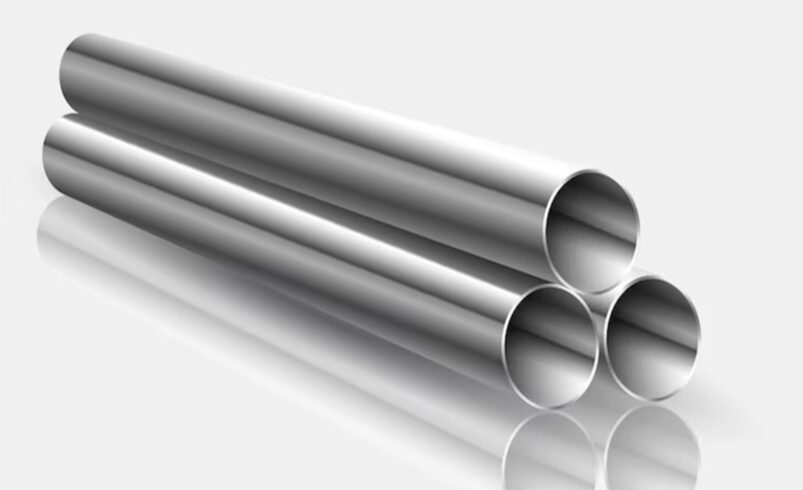
At the most basic level, stainless steel tubes are hollow cylindrical products made from stainless steel alloys. They’re designed to move fluids, support structures, handle pressure, or simply hold their shape in demanding environments.
But that simple definition doesn’t tell the full story.
What makes stainless steel tubes special isn’t just that they’re hollow — it’s how they behave under stress, heat, pressure, corrosion, and time.
That’s where they earn their reputation.
Why Stainless Steel Is Used Instead of Other Metals
Here’s the thing.
Steel is strong. Aluminum is lightweight. Copper conducts well. So why stainless steel?
Because stainless steel does a little bit of everything — and does it reliably.
Stainless steel tubes are valued because they:
-
Resist rust and corrosion
-
Handle high temperatures without losing strength
-
Maintain structural integrity over long periods
-
Look clean and professional even in exposed applications
That corrosion resistance alone is a big deal. In environments where moisture, chemicals, or temperature changes are constant, stainless steel lasts where other materials fail.
Seamless vs Welded Stainless Steel Tubes (This Matters More Than People Think)
This is one of those details people skip… and regret later.
Seamless Stainless Steel Tubes
Seamless tubes are made without a welded seam. That makes them:
-
Stronger under pressure
-
Better for high-stress applications
-
More consistent in wall thickness
They’re commonly used in:
-
Oil and gas
-
Power plants
-
High-pressure systems
-
Critical industrial environments
They cost more — but for good good reason.
Welded Stainless Steel Tubes
Welded tubes are formed from stainless steel strips that are rolled and welded together.
They’re:
-
More affordable
-
Easier to produce in larger diameters
-
Perfectly fine for many structural and low-pressure uses
You’ll often see welded tubes in:
-
Construction
-
Furniture
-
Automotive components
-
Decorative and architectural projects
Different tools for different jobs. Simple as that.
Common Grades of Stainless Steel Tubes (And Why Grade Choice Matters)
If you’ve ever ordered stainless steel tubes, you’ve probably seen numbers like 304 or 316. Those numbers aren’t random — they define how the steel behaves.
Grade 304 Stainless Steel
This is the most commonly used grade.
Why?
-
Good corrosion resistance
-
Affordable
-
Versatile
It’s widely used in:
-
Food processing
-
Water piping
-
General industrial use
For most applications, 304 does the job just fine.
Grade 316 Stainless Steel
Now this is where things get serious.
316 contains molybdenum, which improves resistance to:
-
Salt
-
Chemicals
-
Marine environments
It’s commonly used in:
-
Chemical plants
-
Marine applications
-
Medical equipment
-
Coastal construction
If corrosion is a concern, 316 is usually worth the extra cost.
Where Stainless Steel Tubes Are Actually Used
Let’s move away from theory and talk real-world usage.
Industrial and Manufacturing
In factories and plants, stainless steel tubes are everywhere:
-
Process piping
-
Heat exchangers
-
Pressure systems
-
Machinery components
They’re chosen because downtime is expensive — and stainless steel reduces failures.
Construction and Architecture
In buildings, stainless steel tubes show up as:
-
Handrails
-
Structural supports
-
Frames
-
Decorative elements
They offer strength without sacrificing appearance, which architects love.
Automotive and Transportation
From exhaust systems to structural reinforcements, stainless steel tubes are used because they:
-
Handle heat
-
Resist corrosion
-
Last longer under vibration and stress
Food, Beverage, and Medical
Cleanliness matters here.
Stainless steel tubes are:
-
Easy to clean
-
Resistant to contamination
-
Safe for hygienic environments
That’s why you’ll see them in dairies, breweries, hospitals, and labs.
Things People Often Get Wrong When Buying Stainless Steel Tubes
This part is important.
A lot of problems come from assumptions.
Common mistakes include:
-
Choosing the cheapest grade without considering environment
-
Ignoring wall thickness requirements
-
Using welded tubes where seamless is needed
-
Not confirming standards or tolerances
Stainless steel tubes may look similar on the outside, but performance differences show up later — usually at the worst possible time.
Standards and Specifications (Boring, But Necessary)
No one loves reading standards documents, but they exist for a reason.
Stainless steel tubes are often produced according to recognized standards that define:
-
Dimensions
-
Chemical composition
-
Mechanical strength
-
Tolerances
Following standards ensures consistency, safety, and compatibility — especially in industrial or regulated environments.
Cost vs Value: Why Cheaper Isn’t Always Better
Let’s be practical.
Yes, stainless steel tubes can be expensive. And yes, budget matters.
But here’s the reality: replacement, downtime, and failure cost far more than the initial material.
Choosing the right tube upfront usually saves money long-term — even if the initial purchase price is higher.
Smart buyers think beyond the invoice.
Maintenance and Longevity
One of the biggest advantages of stainless steel tubes is how little maintenance they require.
With proper installation:
-
They resist rust naturally
-
They don’t need frequent coatings
-
They hold their shape and strength for years
That’s why stainless steel is often chosen for long-term infrastructure projects.
Sustainability and Recyclability
Here’s a bonus people forget.
Stainless steel is highly recyclable. Old tubes can be melted down and reused without losing quality.
For companies focused on sustainability, that’s a big plus — especially compared to materials that degrade or can’t be reused effectively.
Final Thoughts: Stainless Steel Tubes Are a Long-Term Decision
Stainless steel tubes may not be exciting, but they are essential.
They quietly support systems, structures, and processes that people rely on every day. Choosing the right type, grade, and specification isn’t about overengineering — it’s about reliability.
If there’s one takeaway here, it’s this:
don’t treat stainless steel tubes as a commodity. Treat them as a component that affects performance, safety, and longevity.
When chosen wisely, they do exactly what they’re supposed to do — and then get out of the way.