
 0 Comments

A warehouse is more than just a storage area — it is the heartbeat of supply chain efficiency. When space is not utilized correctly, businesses face delays, inventory confusion, safety hazards, and rising operational costs. As demand for faster fulfillment grows, companies are realizing that the secret to streamlined operations lies in strategic stacking and designing smarter warehouse layouts.
This guide explains how strategic stacking revolutionizes warehouse space, boosts productivity, improves safety, and helps your team work more efficiently.
Why Warehouse Layout Matters More Than Ever
A poorly planned warehouse layout can lead to:
- Wasted floor space
- Increasing picking/packing times
- Congestion in aisles
- Higher labor costs
- Product damage and safety risks
- Difficulty scaling operations
On the other hand, a well-designed layout with strategic stacking:
- Maximizes vertical and horizontal space
- Improves inventory accessibility
- Enhances worker safety
- Reduces operational time
- Increases storage capacity without expanding square footage
Strategic stacking is especially valuable for companies that want to grow without investing in new warehouse facilities.
What Is Strategic Stacking?
Strategic stacking is the method of systematically arranging inventory to optimize space usage, improve workflow, and ensure safety. It involves:
- Proper placement of goods based on size, fragility, and movement frequency
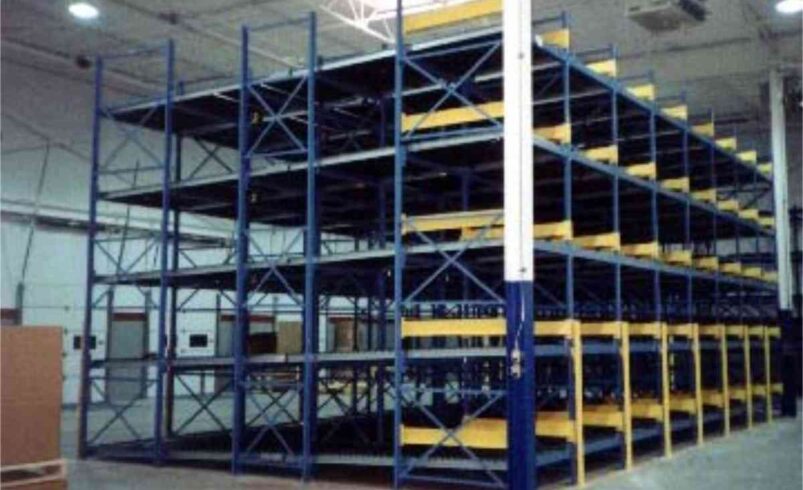
- Using vertical storage with racks, pallet stacking, and shelving units
- Applying stacking rules for safe load distribution
- Designing zones for different inventory types
- Ensuring workers can access items quickly and safely
In simple terms, strategic stacking helps warehouses use the right space for the right item — improving both organization and efficiency.
Key Elements of an Effective Warehouse Layout
A well-organized warehouse layout combines stacking strategy with floor planning, aisle design, safety guidelines, and inventory management. Here’s how each element contributes to a better warehouse:
1. Maximize Space Utilization with Smart Vertical Stacking
Floor space is limited, but vertical space is often underused. Strategic stacking helps utilize available height safely and efficiently.
Use the Right Storage Systems
- Pallet racks
- Cantilever racks
- Adjustable shelving
- Mezzanine floors
These allow warehouses to double or even triple storage capacity.
Follow Safe Stacking Standards
- Heavy items at the bottom
- Light and fragile items on top
- Even weight distribution on pallets
- Correct pallet placement to avoid collapses
Use Clear Labeling
Labels help workers identify items quickly, improving picking speed.
2. Design Efficient Aisles for Smooth Traffic Flow
Your warehouse aisles determine how easy it is for workers and forklifts to move around.
Best Practices for Aisle Design:
- Keep them wide enough for equipment like forklifts and pallet jacks
- Avoid overly tight aisles that cause congestion
- Use color-coded floor markings
- Separate pedestrian walkways
A well-planned aisle system prevents delays and reduces accident risks.
3. Create Warehouse Zones Based on Movement Speed
Strategic stacking uses a zoning system to place items where they make sense.
Common Warehouse Zones:
| Zone Type | Inventory Included |
| Fast-moving (A items) | High-demand products |
| Medium-moving (B items) | Regular stock |
| Slow-moving (C items) | Low-demand goods |
| Bulk storage zone | Large or heavy items |
| Fragile goods zone | Delicate or breakable items |
| Hazardous zone | Chemicals or special storage items |
This system boosts picking efficiency and helps maintain order.
4. Improve Inventory Accessibility with FIFO/LIFO Systems
Strategic stacking goes hand-in-hand with proper inventory rotation systems:
FIFO (First In, First Out)
Older stock is used first. Ideal for perishable or time-sensitive products.
LIFO (Last In, First Out)
Recently stored items are picked first. Used for durable goods in certain operations.
Choosing the right system prevents product waste, improves shelf life, and reduces losses.
How to Redesign Your Warehouse Layout Step-by-Step
If you want to transform your warehouse, follow this practical step-by-step process:
Step 1: Audit Your Current Warehouse Space
- Identify unused areas
- Measure height and width of aisles
- Note congestion points
- Evaluate travel time between zones
Step 2: Categorize All Inventory
Sort items by:
- Size
- Weight
- Fragility
- Movement frequency
This determines where and how they should be stacked.
Step 3: Plan the Layout on Paper or Software
Use warehouse management software or digital tools to draft:
- Rack placement
- Aisle layout
- Zone mapping
- Loading/unloading areas
Step 4: Apply Strategic Stacking Guidelines
- Heavy items bottom, light items top
- Pallets stacked evenly
- Avoid overstacking
- Use protective packaging for fragile goods
Step 5: Improve Lighting & Signage
Clear signs reduce confusion and improve workflow.
Step 6: Train Employees on New Layout
Workers should understand:
- Safety rules
- Picking paths
- Stacking guidelines
- Zone system
Step 7: Monitor & Improve Continuously
Warehouse layouts need periodic review based on:
- Seasonal demand changes
- New products
- Increased stock levels
Tools & Software That Improve Warehouse Layout Planning
Modern warehouses use digital tools to optimize layouts:
Warehouse Management Systems (WMS)
Track inventory, automate restocking, and manage orders.
Inventory Optimization Software
Predict demand and prevent overstocking.
3D Layout & Simulation Tools
Help visualize racks, aisles, and traffic flow before implementation.
Barcode & QR Systems
Reduce manual errors and speed up scanning.
Leveraging these tools reduces human error and increases warehouse productivity.
Common Mistakes in Warehouse Layout Design (And How to Avoid Them)
Avoid these mistakes to maintain warehouse efficiency:
Overstacking beyond safe weight limits
Leads to pallet collapse and damaged goods.
Narrow aisles
Causes congestion and increases accident risk.
Poor labeling
Slows down picking and increases errors.
Ignoring vertical space
Wastes potential storage capacity.
Storing fast-moving items in hard-to-reach areas
Lowers productivity and increases travel time.
Benefits of Strategic Stacking for Warehouses
Maximizes warehouse capacity
More storage without expanding floor space.
Reduces picking and sorting time
Efficient layout equals faster operations.
Enhances worker safety
Proper stacking reduces accidents and injuries.
Improves inventory accuracy
Clear labeling + zoning = fewer errors.
Cuts operational costs
Lower labor time, fewer damages, better organization.
Improves workflow and team productivity
Streamlined layout = smoother operations.
Conclusion: Strategic Stacking Is the Foundation of a Modern Warehouse
Whether you run a small storage facility or a large distribution center, strategic stacking can transform your warehouse into a safer, smarter, and more efficient operation. The right layout not only saves space but also increases staff productivity, reduces errors, and boosts overall business performance.
A well-organized warehouse is not just an operational need — it is a competitive advantage.
Frequently Asked Questions (FAQ)
1. What is strategic stacking in warehousing?
It’s the method of arranging goods strategically to optimize space, safety, and workflow.
2. How do I improve warehouse space utilization?
Use vertical stacking, categorize items by movement speed, design wider aisles, and apply FIFO/LIFO.
3. Is warehouse layout planning expensive?
Not necessarily — many improvements can be done using existing racks and space.
4. What are the best tools for warehouse layout design?
WMS systems, layout simulation tools, barcode systems, and inventory optimization software.
5. How often should I update my warehouse layout?
Every 6–12 months or whenever product demand and inventory levels change significantly.